Upgrade Your Backyard: Cutting-Edge Deck Designs From Expert Builders
Innovative deck concepts can greatly enhance a outdoor space's appeal and functionality. Experienced craftsmen appreciate the value of blending style with practicality. From choosing quality materials to adding key features, every detail matters. Residents are continuously focused on creating spaces that cater to unwinding and hosting guests. As homeowners evaluate their choices, the scope of enhancement is evident, motivating further exploration into how to achieve their dream outdoor oasis.
Selecting the Best Materials for Your Ideal Deck
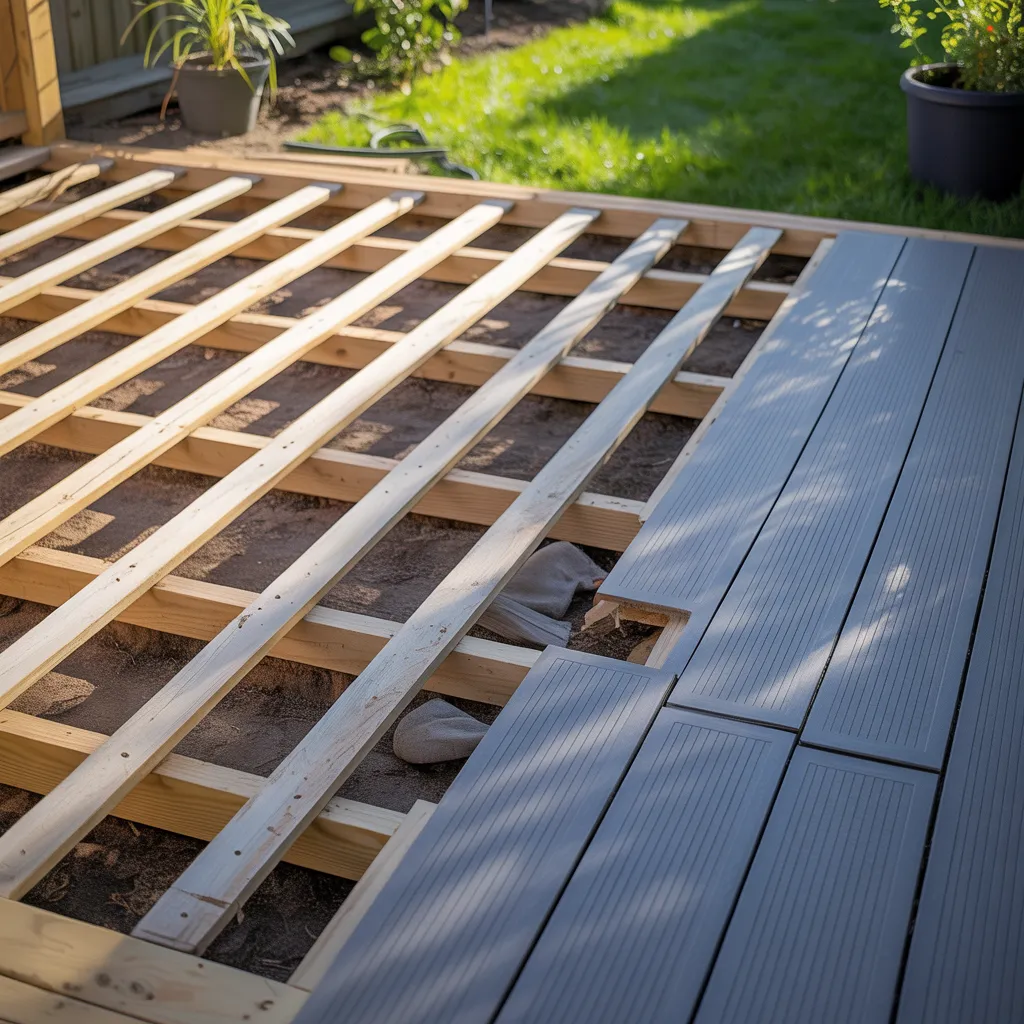
When selecting materials for a ideal deck, homeowners often consider both appearance and longevity. The selection of materials heavily affects the overall look and lifespan of the deck. Wood, particularly cedar and redwood varieties, offers a timeless charm with organic elegance but demands consistent upkeep to protect against decay and environmental damage. Composite materials, on the other hand, provide a up-to-date solution, blending wood fibers with plastic for a easy-care alternative that holds up against fading and splinter damage.
Aluminum and PVC are also becoming popular owing to their long-lasting nature and elemental resistance, making them a perfect choice for homeowners who want low maintenance. Color and texture are key factors in visual appeal, as homeowners aim to create a cohesive look that complements their outdoor space. In the end, choosing the appropriate materials requires finding a balance between personal taste and practicality, guaranteeing a deck that remains stunning while standing the test of time.
How to Choose a Modern Deck Style That Inspires
Picking out a modern deck style calls for careful consideration of available space, material selections, and current design trends. Through assessing the existing space, homeowners can identify the ideal design and features to improve practicality. Considering various materials and keeping up with design trends guarantees the deck not only enhances the home but also promotes creativity and pleasure.
Analyze Your Space Needs
To design a contemporary deck that genuinely captivates, it's essential to first assess the available space. Homeowners should begin by measuring the dimensions of their backyard, making note of potential challenges like trees, inclines, or current structures. This assessment helps in determining the scale of the deck, ensuring it complements the environment without overwhelming it. Additionally, considering the intended use of the deck—be it for hosting guests, unwinding, or tending to plants—will impact its structure and configuration. Knowing how sun exposure and shading affect the space is also critical; this affects the choice of location and overall ambiance. Ultimately, a thorough evaluation of spatial requirements lays the foundation for a functional and aesthetically pleasing modern deck.
Investigate Material Possibilities
As they evaluate available materials, homeowners can significantly impact the visual appeal and longevity of their modern deck. Picking the ideal materials is vital for achieving both a stylish appearance and long-lasting performance. Favored selections encompass composite decking, which combines wood fibers and recycled plastic for a minimal upkeep option that resists rot and fading. Natural wood, like cedar or redwood, offers timeless beauty but requires regular maintenance to avoid weather damage. Moreover, aluminum decking offers a polished, modern aesthetic and is highly resistant to corrosion. Homeowners should also explore environmentally conscious alternatives, including reclaimed wood or eco-conscious materials, to elevate their deck's attractiveness while minimizing environmental impact. Ultimately, the choice of materials sets the foundation for an inviting outdoor space.
Think About Design Trends
Choosing the right materials lays the groundwork for exploring the newest design movements in contemporary decks. Design professionals prioritize clean lines and minimalist styles, commonly blending natural components like timber and stone. Open-concept layouts remain popular, naturally connecting indoor and outdoor living spaces. Tiered decks create separate functional zones, promoting versatility and functionality. Furthermore, incorporating creative lighting options elevates the nighttime atmosphere, as eco-friendly materials demonstrate a growing commitment to sustainability. Color schemes have transitioned toward natural earth tones and soft pastels, establishing a serene and tranquil environment. Incorporating intelligent technology, including automated lighting and weather-proof elements, is gaining momentum. By adopting these design directions, homeowners can craft remarkable outdoor retreats that transform their backyards.
Space-Saving Deck Layout Ideas for Small Backyards
In what ways can homeowners optimize their outdoor living space within a compact backyard? Creative deck solutions can convert restricted spaces into practical outdoor sanctuaries. An excellent method is to implement multi-level decking, which defines dedicated spaces for rest and entertaining without crowding the area. Adding integrated seating around the edges can enhance usability while preserving valuable floor space.
An additional option is to choose a corner deck, which makes use of frequently neglected areas and can improve privacy. Folding and space-saving furniture can also be a great asset, enabling homeowners to adjust their outdoor area as needed.
Lastly, try adding vertical design features, for example wall-mounted planters or overhead lights, to draw the eye upward, giving the impression of a larger area. By putting these space-maximizing ideas into practice, homeowners will benefit from a stylish and efficient outdoor area without sacrificing comfort or openness.
Include Built-In Features That Improve Your Deck's Functionality
Improving deck versatility may be accomplished through the addition of permanently installed features that address various needs. Permanently installed seating is a sought-after choice, offering relaxation and making the most of space without the need for additional furniture. Furthermore, integrated storage solutions, such as benches featuring concealed compartments, can work to maintain the deck neat and free of clutter.
Another functional enhancement is the addition of a custom grill or outdoor cooking area, which turns the deck into a culinary hub, great for outdoor gatherings. Furthermore, including planters or vertical gardens not only boosts aesthetic charm but also encourages a bond with nature.
These attributes not only boost usability but also develop a cohesive design that blends seamlessly with the surrounding landscape. By thoughtfully integrating these built-in elements, homeowners can design a deck that functions as a flexible expansion of their living area, customized to their lifestyle and tastes.
How to Light up Your Deck With Accessories
Incorporating lighting accessories can transform a deck into a charming outdoor escape. Innovative illumination choices, complemented by practical additions, elevate both protection and appeal. By considering different approaches and positions, property owners can attain a beautifully illuminated open-air environment.
Imaginative Lighting Alternatives
An array of unique lighting options can transform a rear deck into a captivating outdoor escape. Fairy lights, hung gracefully above, establish a warm, inviting setting, well-suited for evening events. Solar-powered lights, placed strategically around the perimeter, provide a gentle illumination while encouraging environmental responsibility. To add a modern element, integrated lighting can be fitted into steps or beneath railings, boosting safety without sacrificing style. In addition, accent lighting accentuates structural details or greenery, creating visual interest. LED band lights running along the deck's edges offer a modern touch, while freestanding fire pits illuminate the space with a cozy ambiance. Collectively, these solutions permit homeowners to tailor their outdoor deck illumination, cultivating a peaceful setting for unwinding and gatherings.
Functional Accessory Inspiration
Innovative lighting choices improve the aesthetic of a residential deck, but useful additions can significantly enhance its utility and character. Including multi-functional furniture, such as storage benches, optimizes space while providing both comfort and storage solutions. All-weather cushions and accent throws can provide coziness, ensuring the deck remains inviting. Furthermore, adding accent tables featuring built-in coolers allows for easy access to refreshments during gatherings. A strategically positioned exterior rug can designate specific zones, creating a cozy atmosphere. For individuals who appreciate alfresco dining, a portable grill or outdoor kitchen island can convert the deck into a gourmet cooking space. These additions not only improve usability but also create a polished and unified exterior informative guide environment.
Security and Ambiance Suggestions
Proper lighting plays a vital role in boosting both functionality and aesthetics on a backyard deck. Carefully positioned lights help brighten paths, staircases, and gathering areas, minimizing the chance of mishaps at nighttime events. Builders recommend using energy-saving LED fixtures for durability and reduced power consumption. Ambient lighting, such as string lights or lanterns, creates a warm atmosphere, ideal for relaxation and entertaining. Installing focused lighting around barbecue or meal areas provides practicality and protection while handling food preparation in the evening. Moreover, installing automated lighting solutions empowers homeowners to fine-tune brightness and tone, additionally elevating the outdoor space's visual charm. Through merging practical lighting with stylish accents, a properly illuminated deck becomes an inviting exterior retreat.
Integrating Greenery Into Your Deck Design
Although many homeowners prioritize the structure and materials of their decks, adding greenery can convert an outdoor space into a beautiful haven. Expert builders recommend incorporating a variety of plants to enhance the aesthetic appeal and create a sense of tranquility. Hanging planters, vertical gardens, and built-in planter boxes can maximize space while adding layers of texture and color.
In addition to visual appeal, vegetation can supply natural shade and boost air quality. Selecting locally adapted plants suited to the regional climate promotes sustainability while lowering maintenance demands. For a harmonious appearance, property owners can pick out pots and containers that align with the deck's overall design.
Deliberately situating foliage alongside lounge areas enhances comfort while also fostering a connection with nature. By seamlessly weaving natural elements into deck designs, homeowners can create an appealing outdoor setting that encourages relaxation and outdoor enjoyment.

Frequently Asked Questions
How Do I Maintain My Deck After Installation?
To maintain a deck after installation, routine cleaning is necessary. Applying a sealant each year protects against moisture and UV damage. Checking for loose boards or nails promotes a safe environment, while promptly addressing repairs prolongs the life of the deck.
What Permits Are Needed for Deck Construction?
Building a deck generally necessitates building permits, that vary from one location to another. Homeowners should consult local building authorities to determine specific requirements, such as zoning regulations, structural codes, and required inspections to guarantee compliance with safety standards.
Is It Possible to Build a Deck on a Sloped Yard?
Absolutely, constructing a deck on a slanted property is doable. Nevertheless, it requires detailed consideration, suitable design, and potentially supplemental reinforcements to ensure safety and stability, coupled with meeting local building requirements.
What Is the Typical Longevity of a Deck?
Standard decks typically last 10 to 30 years on average, based on construction materials, upkeep practices, and environmental exposure. Routine maintenance, such as sealing and staining, is known to substantially extend the lifespan and durability of a deck.
What Costs Should You Expect With Deck Installation?
Deck installation costs vary widely, generally falling between $15 and $35 per square foot. Variables that impact the overall price include labor, materials, location, and design complexity, which can significantly affect the total project budget.